
Artist Branding 101: Why the Right Look Makes an Artist Recognizable
An artist’s look has become one of the most misunderstood parts of artist development. Social media has trained us to think about image through individual outfits: the fit check, the red carpet look, the performance outfit, the viral fashion moment.
But a strong artist brand isn’t built from one good outfit. It is built through recognition.
Hair, jewelry, silhouette, color palette, nails, fabrics, makeup, and styling can all become part of a visual language that tells an audience who an artist is before the music even plays. When those choices repeat consistently, they stop functioning as isolated aesthetic decisions and begin forming an identity.
The strongest artist branding doesn’t require an explanation. You recognize it.
Quick Answer: What Makes a Strong Artist Brand?
A strong artist brand has a visual identity audiences can recognize consistently across music, performances, social media, photography, and everyday appearances.
The goal isn’t simply to look fashionable. It is to develop recognizable signals, whether through hair, silhouette, color, jewelry, makeup, styling, or other visual elements, that repeatedly connect back to the artist.
The more consistently those signals appear, the easier it becomes for audiences to recognize and remember the person behind them.
Explore Artist Branding 101 Visual Report
The “Right Look” Is Bigger Than a Fit Check
Social media has reduced much of the conversation around an artist’s look to individual outfits. Fashion can absolutely contribute to identity, but an outfit is only one piece of a much larger system.
An artist could wear something incredible today and something completely different tomorrow. If there is no recognizable thread connecting those appearances, the audience may remember the clothes without remembering anything distinctive about the artist.
The right look asks a different question: What remains recognizable even when the outfit changes?
That distinction separates styling from identity.
Artist Branding Is Recognition Design
Think of the right look as recognition design: a visual language that communicates who an artist is before the music plays.
That language can come from dozens of seemingly small decisions, including hair, jewelry, silhouette, color palette, nails, fabrics, makeup, accessories, and recurring styling references. It can even include the relationship between an artist’s performance wardrobe and off-duty appearance.
No single element necessarily creates the brand. Repetition does. Every choice compounds until audiences begin connecting particular visual signals with one person.
That is when image becomes identity.
Why Recognition Matters
The artists who break through fastest are often easy to recognize. That doesn’t mean every artist needs an extreme makeover or outrageous costume. Recognition can be loud or subtle.
What matters is whether enough visual information repeats for the audience to form an association. A particular hairstyle, silhouette, accessory, or makeup treatment can become inseparable from an artist or album era when audiences encounter it consistently enough.
Eventually, people no longer consciously process the branding. They already know the signal.
The Blur Test: Can You Recognize the Artist Without Their Face?
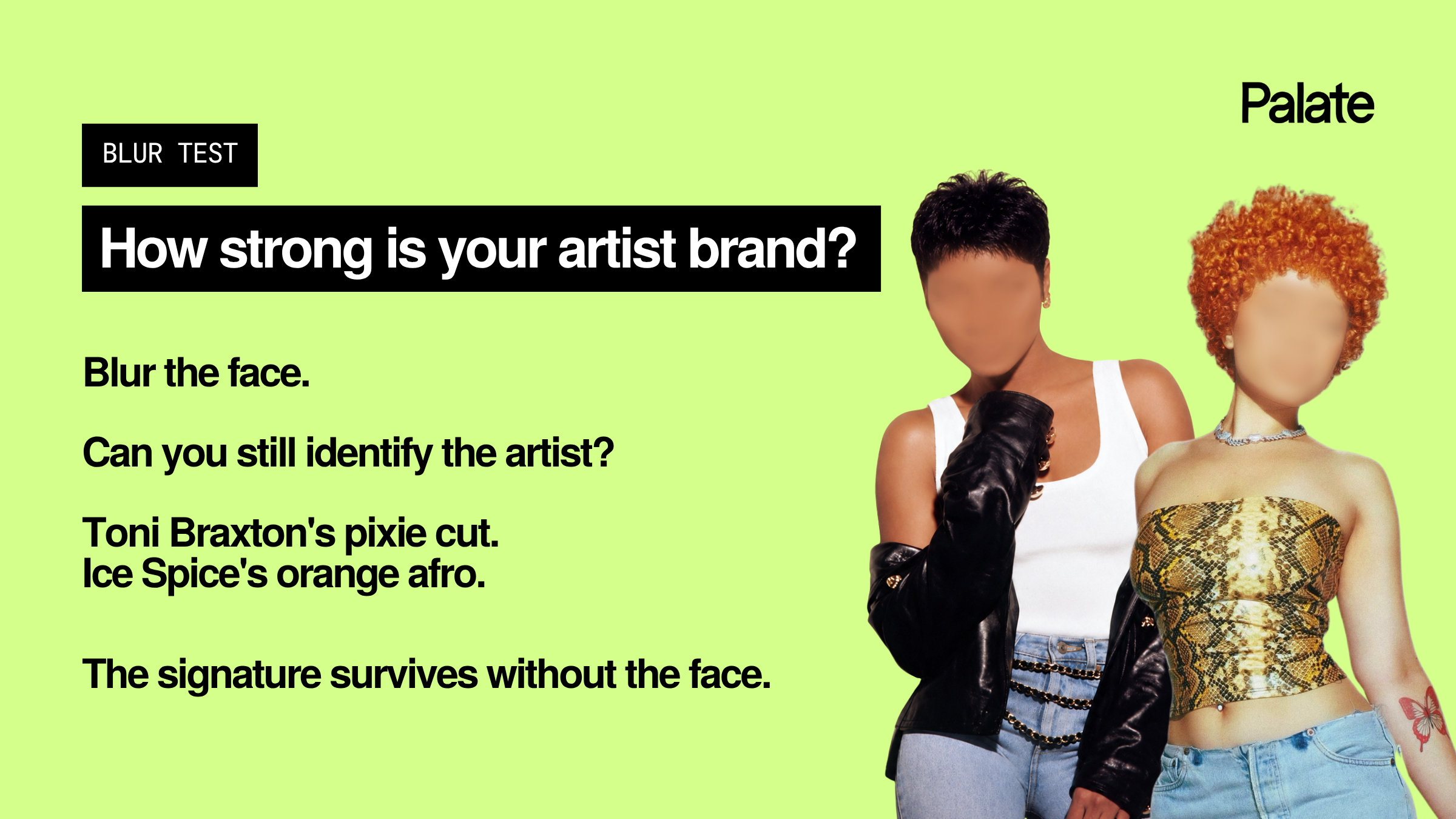
One of the simplest ways to evaluate an artist brand is what we call the Blur Test. Obscure the artist’s face and ask whether enough information remains to identify them.
Toni Braxton’s pixie cut demonstrates how a hairstyle can become part of an artist’s visual signature. Ice Spice’s orange afro created another instantly identifiable silhouette. Remove the face and significant information about the artist remains.
Not every developing artist will pass the test immediately. The point is to evaluate how much recognizable identity exists beyond facial recognition itself.
The Halloween Test: Can Someone Become the Artist?
The Halloween Test pushes recognition further: could someone recreate the artist’s look and have other people immediately understand who they are supposed to be?
Michael Jackson is perhaps the clearest example. A person doesn’t need to recreate one specific photograph to communicate Michael Jackson. The glove, cropped pants, white socks, loafers, military-inspired jackets, fedora, and distinctive silhouettes became cultural shorthand through decades of repetition.
For a developing artist, the test isn’t literally about creating a Halloween costume. It asks whether the visual identity contains distinctive elements someone else could reproduce.
If nothing about the look can be recreated or referenced, the identity may still be too generic.
Culture Check: Know the Visual Language of Your Generation
Recognition doesn’t happen in isolation. Artists exist within culture, and every generation develops visual signals that communicate identity, taste, and belonging.
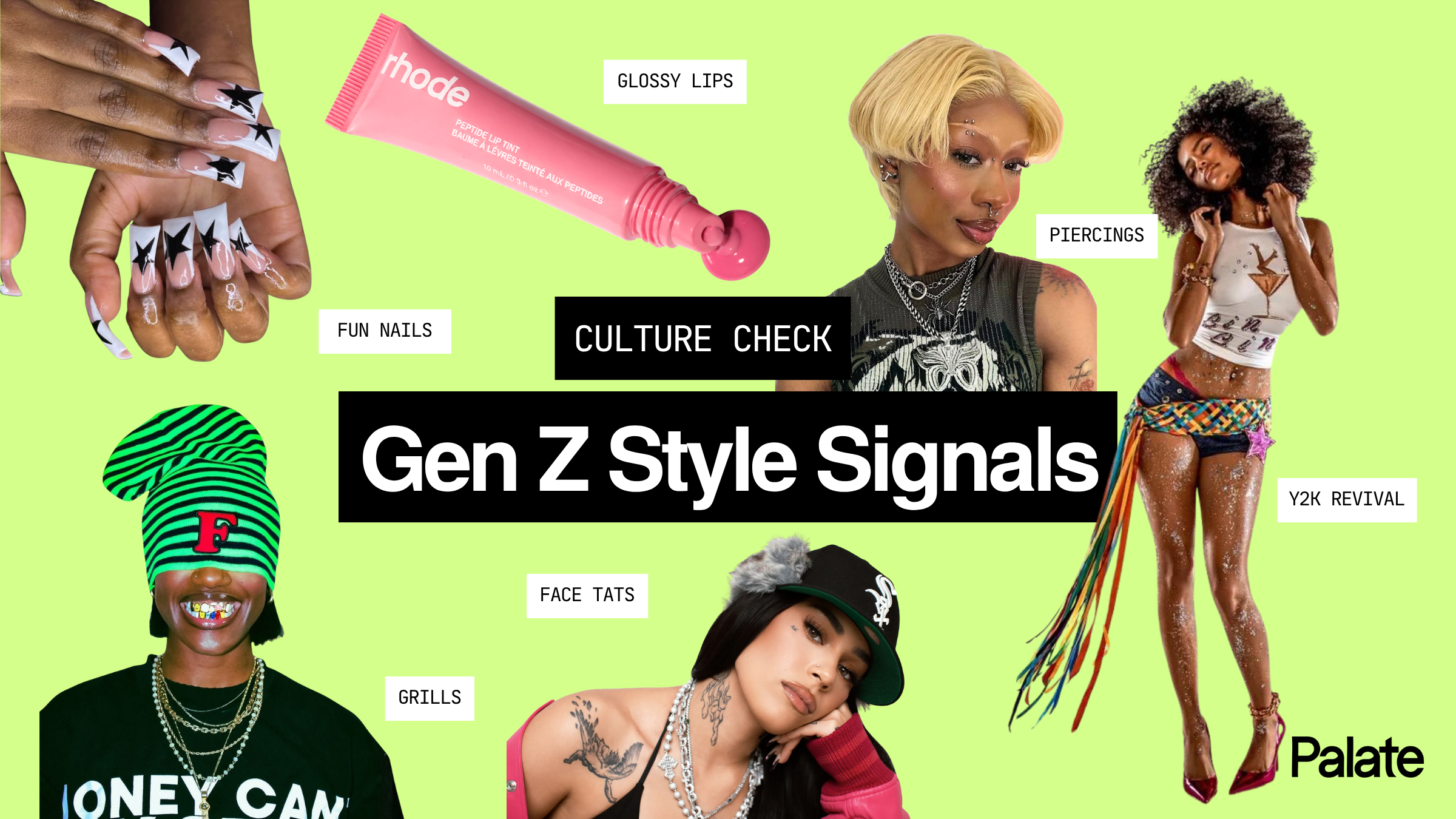
For Gen Z, those signals have included expressive nail culture, glossy lips, grills, oversized clothing, piercings, face tattoos, and renewed interpretations of Y2K aesthetics. These trends aren’t automatically artist branding. They are part of the shared visual vocabulary artists are working within.
The strategic question isn’t simply What is trending? It is: Which part of the culture can this artist make distinctly their own?
Following a Trend vs. Owning a Signal
This is where artist branding gets more difficult. Participating in the aesthetics of a generation can make an artist feel culturally current without necessarily making them distinctive.
If ten artists use the same styling cues in the same way, none of them owns the signal. The opportunity comes through repetition and specificity.
An artist can take an element already circulating through culture and use it consistently enough that audiences begin associating it with them. At that point, the artist is no longer simply participating in the aesthetic. They have become a reference point within it.
Artist Spotlight: Trim
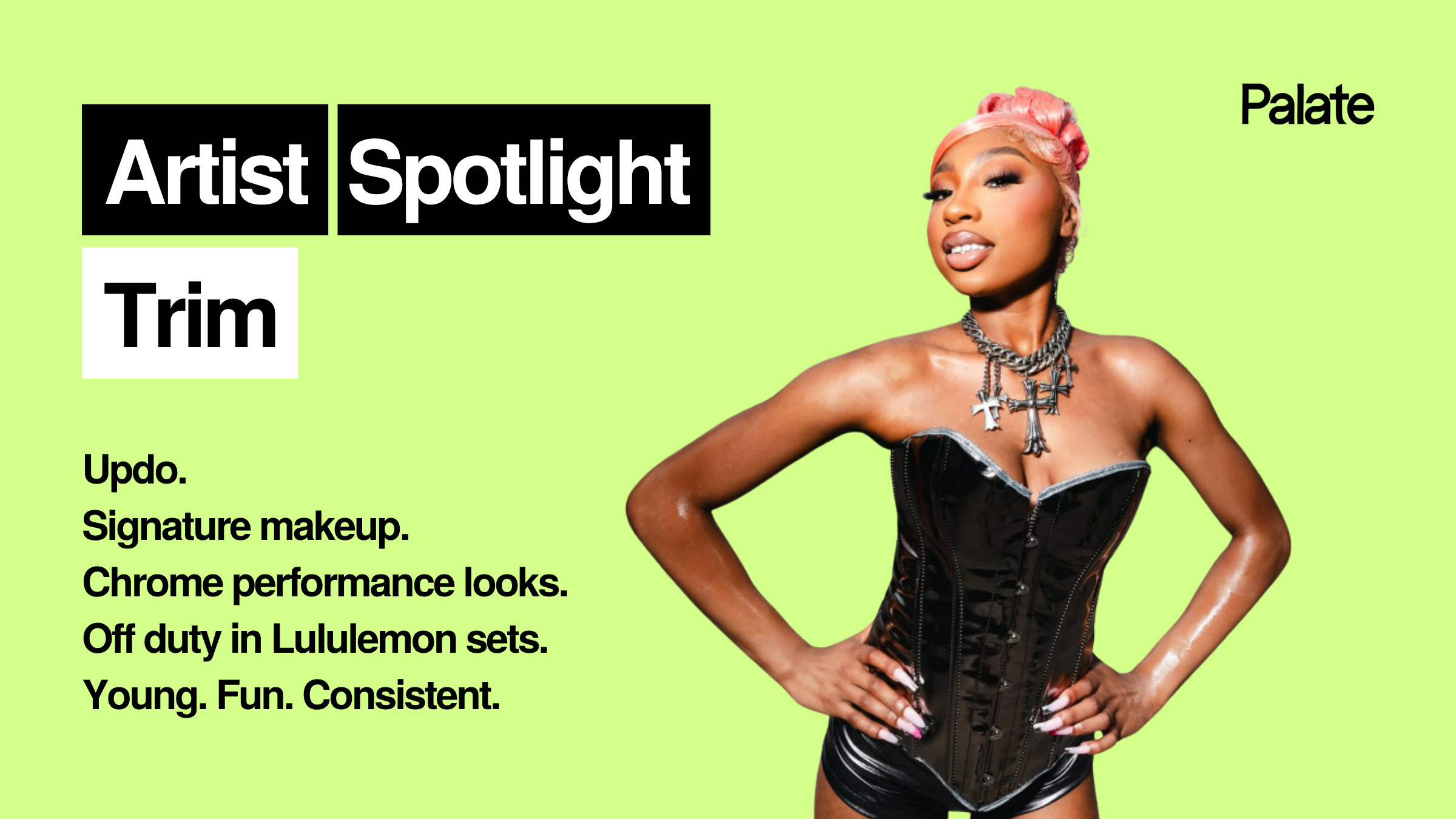
Trim provides a useful example of how individual choices can compound into a recognizable system. An updo, signature makeup, chrome performance looks, and casual Lululemon sets create different expressions of an identity that feels young, fun, and consistent.
No individual element needs to carry the entire brand. Performance styling creates one expression, while recurring hair and makeup provide recognizable signals. Even the contrast between stage and off-duty styling contributes to how the audience understands the artist.
The important word is consistency. Consistency teaches recognition.
How Do You Know If the Branding Is Working?
Audiences don’t only follow artists. They follow identities they recognize pieces of themselves inside, which makes consistency particularly powerful.
When an artist repeats a visual language across performances, social content, artwork, photography, and appearances, audiences gradually learn what belongs to them. Recognition becomes faster until, eventually, the artist can become a reference point for the aesthetic itself.
That is when branding stops feeling like something applied to an artist and starts becoming something audiences associate with them automatically.
Common Artist Branding Mistakes
One of the biggest mistakes is confusing fashionable with recognizable. An artist can be extremely well dressed without having a distinctive identity. Another is changing visual direction so frequently that audiences never have enough time to learn any particular signal.
The opposite problem is manufacturing a “signature” that has little connection to the artist’s personality, music, or culture. Recognition only helps when the identity feels believable. Copying another artist’s strongest visual signal can create immediate familiarity, but it works against long-term differentiation.
The goal isn’t to look different simply for the sake of being different. It is to become recognizable for the right reasons.
The Artist Branding Checklist
Identify three to five visual elements already appearing naturally around the artist.
Look for recurring signals in hair, makeup, jewelry, silhouette, color and fabrics.
Ask whether the visual identity still feels recognizable when individual outfits change.
Run the Blur Test: could someone identify the artist without seeing the face?
Run the Halloween Test: are there recognizable elements someone else could recreate?
Separate broader cultural trends from signals the artist can actually own.
Repeat the strongest elements consistently enough for audiences to learn them.
Make sure the visual identity connects naturally to the music, personality and audience.
Review social media, press photos, performances and artwork together—not as separate branding exercises.
Prioritize recognition over constant reinvention.
Key Takeaways
The right look isn’t one outfit. It is a visual system. Hair, jewelry, silhouette, color, nails, fabrics, makeup, and styling can all become recognition signals when they are repeated consistently enough.
Culture provides the vocabulary, but strong artist branding makes part of that vocabulary specific to one artist. The Blur Test and Halloween Test provide two simple ways to evaluate whether that identity is becoming recognizable.
Ultimately, the goal isn’t simply for audiences to think an artist looks good. The goal is for them to know who they’re looking at.
Frequently Asked Questions
What is artist branding?
Artist branding is the recognizable identity surrounding an artist across music, visuals, styling, communication, and audience experience. A strong brand helps people understand and recognize the artist consistently rather than treating every release or appearance as unrelated
Why is an artist’s image important?
Music is rarely encountered through sound alone. Audiences also encounter artists through social media, performances, artwork, videos, photography and fashion. A recognizable image can strengthen memory and help connect those different touchpoints.
Does an artist need a signature look?
Not necessarily one rigid outfit or hairstyle. What matters more is having recurring visual signals that create continuity even as individual looks evolve.
How do you create a recognizable artist image?
Start by identifying visual choices that already feel authentic to the artist, then repeat and refine the strongest elements across different contexts. Recognition generally comes from consistency rather than adding more elements.
What is the Blur Test in artist branding?
The Blur Test asks whether an artist could still be identified if their face were removed or obscured. Strong hair, silhouettes, colors, accessories or styling can make recognition possible even without facial recognition.
What is the Halloween Test in artist branding?
The Halloween Test asks whether someone could convincingly dress as the artist using recognizable visual signals. It is a simple way to evaluate whether an artist has developed enough distinctive visual shorthand to be recreated.
When the Right Look Becomes Recognition
The strongest artist brands don’t depend on one perfect outfit. They build recognition over time.
Every repeated hairstyle, silhouette, color, accessory, makeup choice, and styling decision teaches the audience what belongs to that artist. Eventually, those associations become strong enough that recognition happens before the audience consciously processes why.
That is the real purpose of the right look. It isn’t simply about making an artist look good. It is about making the artist unmistakably themselves.
